Thinking about buying a historic home in Martinsburg? It can be an exciting way to own a property with real character, original details, and a connection to the city’s long history. It can also come with a different set of questions than buying a newer home. This guide will help you understand what to look for, what to budget for, and how local historic rules may affect your plans. Let’s dive in.
Martinsburg’s historic housing stock
Martinsburg has a wide range of older homes, with historic buildings in Berkeley County dating from the 1740s into the 20th century. The city includes several National Register historic districts, with styles that range from early masonry and frame homes to Victorian-era houses and early-20th-century bungalows and foursquares.
That variety matters when you start your search. A house in Downtown Martinsburg may look and function very differently from one in West Martinsburg or Tuscarora Creek. Original features, lot sizes, construction materials, and likely repair needs can vary a lot from one block to the next.
Common historic styles in Martinsburg
If you are shopping in Martinsburg, you may come across several architectural styles tied to specific historic districts.
- Downtown Martinsburg: Gothic, Italianate, and Queen Anne
- Boomtown: Greek Revival, Queen Anne, and Shingle Style
- Tuscarora Creek: Federal, Georgian, and Italianate
- West Martinsburg: Craftsman, Bungalow, Tudor Revival, Cape Cod, American Foursquare, and other vernacular house types
Knowing the style can help you ask better questions. It may also give you clues about likely maintenance items, common materials, and how much original detail you may want to preserve.
Historic status is not all the same
One of the most important things to understand is that not every “historic” home comes with the same rules. A home can be associated with a National Register historic district without being subject to the same local review requirements as a home inside Martinsburg’s Historic Preservation Overlay District.
For private owners, National Register listing by itself does not create federal restrictions on changes to a property unless federal funding, permits, or licensing are involved. Martinsburg’s local overlay district is different. Within that district, exterior work visible from public view may require review by the Historic Preservation Review Commission, also called the HPRC.
Why the overlay district matters
If a home is inside the local Historic Preservation Overlay District, you may need approval before certain exterior work can move forward. According to the city, no structure exposed to public view can be built, altered, restored, moved, or demolished until the commission approves the plans and issues a Certificate of Appropriateness.
That can affect more than major additions. Exterior changes such as fences, steps, paving, and other appurtenant fixtures may also trigger review when they are visible from public view.
Questions to ask early
Before you make an offer, ask questions like these:
- Is the property only in a National Register district, or is it also inside the local overlay district?
- Have any exterior changes already been made, and were they approved if required?
- What projects were you hoping to tackle in the first year?
- Would those projects need a Certificate of Appropriateness before permits are issued?
Getting answers early can help you avoid delays, surprise costs, or plans that need to be revised after closing.
Inspections need a historic-home mindset
Older homes often need a more detailed inspection strategy than newer properties. A standard home inspection is still important, but it may not answer every question that comes with an older structure, original windows, older mechanical materials, or long-term moisture issues.
In Martinsburg, the HPRC describes itself as a technical advisory body, not a design team. That means buyers often benefit from combining a general inspection with specialist input when the house shows signs of issues involving masonry, lead, asbestos, or original windows.
Watch for moisture first
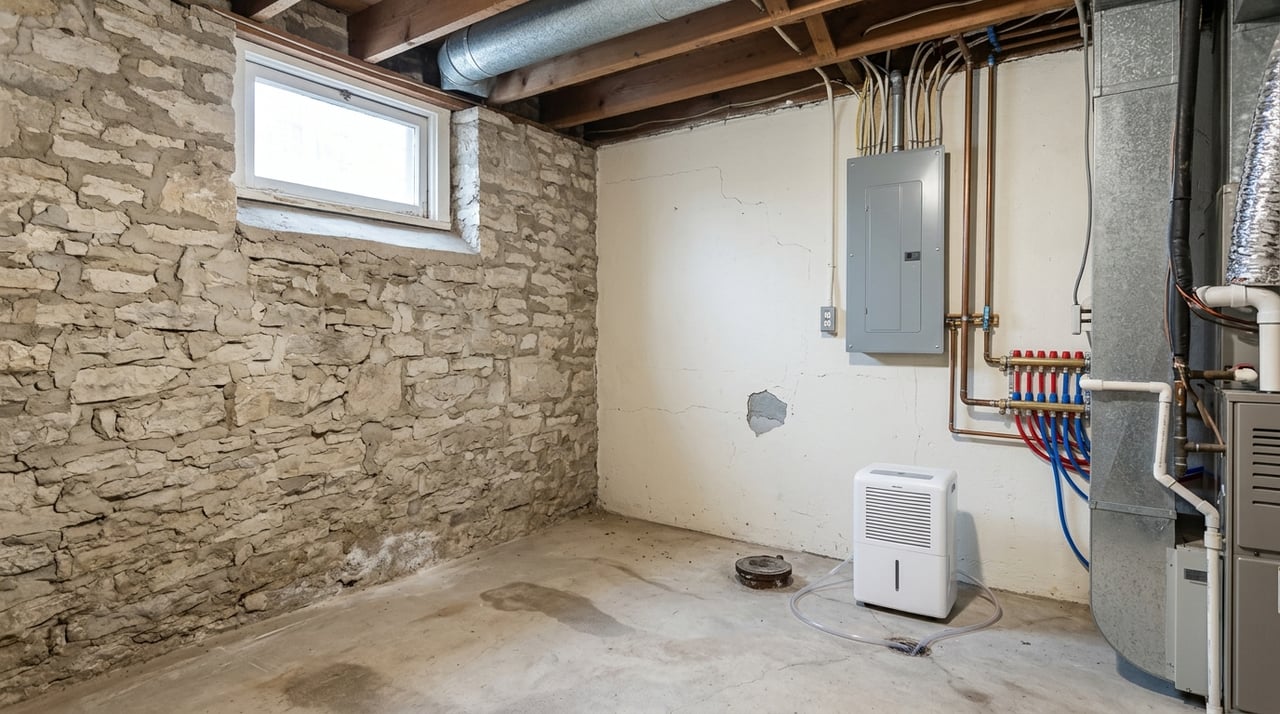
Moisture control is one of the biggest practical concerns in older masonry and mixed-material homes. Historic masonry problems are often tied to deferred maintenance, such as leaking roofs, clogged or failing gutters and downspouts, missing mortar, and cracks or open joints around doors and windows.
For you as a buyer, this means cosmetic charm should not distract from the basics. Pay close attention to the roof, drainage, wall joints, and signs of water intrusion before you focus on paint colors or finish choices.
Signs worth asking about
During showings and inspections, keep an eye out for:
- Staining on interior walls or ceilings
- Damp basement areas or musty odors
- Deteriorated mortar joints
- Cracks around windows and doors
- Overflowing or damaged gutters and downspouts
- Evidence of repeated patching instead of full repair
These issues do not always mean you should walk away. They do mean you should understand the repair scope and cost before you move forward.
Original windows may be repairable
Windows are often one of the biggest decision points in a historic home. It is easy to assume old windows must be replaced, but that is not always true.
Guidance referenced by Martinsburg’s preservation process generally favors repairing historic materials when feasible rather than replacing them. Original wood windows can often be improved with weatherstripping and quality storm windows, which may help performance while keeping the home’s character.
If replacement is truly necessary, the replacement should match the old window in design, color, texture, and materials where possible. If the property is in the overlay district, that kind of decision may also affect your review process.
Lead paint and asbestos need real planning
If you are buying a pre-1978 home, lead paint should be part of your due diligence. In homes built before 1940, the odds are especially high that some lead-based paint is present.
Buyers of most pre-1978 homes should receive lead disclosure information and a lead hazard pamphlet. If you plan renovations that disturb painted surfaces, it is smart to factor lead-safe work practices into both your timeline and budget.
Asbestos can also come up in older finishes or mechanical materials. If asbestos-containing materials are damaged or likely to be disturbed during remodeling, trained and accredited asbestos professionals should handle inspection, repair, or removal.
Budget beyond the purchase price
A historic home budget in Martinsburg should go well beyond the number on your offer. Older homes often require a repair-first approach, especially when you want to preserve original materials or address moisture issues before starting cosmetic upgrades.
You should also budget for possible hazard testing, specialty inspections, and any local review steps if the property is inside the Historic Preservation Overlay District. Since a Certificate of Appropriateness may be required before permits are issued for certain exterior work, your project budget should leave room for revisions and added time.
Smart budget categories to include
Consider planning for:
- General inspection costs
- Specialist inspections as needed
- Masonry, roof, and drainage repairs
- Window repair or restoration
- Lead or asbestos testing and related work
- Exterior project review and permitting costs
- A contingency reserve for hidden conditions
This approach can help you make a stronger decision before closing and reduce stress once you own the home.
Don’t assume tax credits apply
Tax incentives are one area where buyers can get tripped up. Martinsburg does not provide city tax credits for historic rehabilitation, although state and federal sources may be available in some cases.
For many buyers purchasing a primary residence, the safest assumption is that the home’s value comes from the property itself, not from tax credits. The federal 20 percent historic rehabilitation tax credit applies to income-producing historic buildings, not a fully owner-occupied residence.
If you are considering a property with an income-producing use, you should verify eligibility, timelines, and filing requirements early with the West Virginia State Historic Preservation Office before relying on any projected credit amount.
A careful approach pays off
Buying a historic home in Martinsburg can be deeply rewarding. You may get craftsmanship, materials, and architectural details that are hard to find in newer construction. You also take on a property that may need more planning, more patience, and a more thoughtful budget.
The key is to stay curious and ask the right questions early. When you understand the home’s condition, the local review rules, and the likely cost of preserving or updating original features, you can move forward with much more confidence.
If you are exploring homes in Martinsburg or comparing older properties across West Virginia, The Legacy Team can help you navigate the details and make a well-informed move.
FAQs
What should you check first when buying a historic home in Martinsburg?
- First, confirm whether the property is inside Martinsburg’s Historic Preservation Overlay District, because local exterior review rules can affect your renovation plans, timing, and budget.
What does National Register status mean for a Martinsburg homebuyer?
- National Register listing alone does not create federal restrictions for a private owner unless federal funding, permits, or licensing are involved.
What exterior work may need approval in Martinsburg’s historic overlay district?
- Exterior work visible from public view, including construction, alteration, repair, painting, moving, demolition, and some features like fences, steps, and paving, may require a Certificate of Appropriateness.
What inspection issues matter most in older Martinsburg homes?
- Moisture intrusion, masonry condition, roof and drainage performance, original window condition, lead paint risk, and possible asbestos-containing materials are all important areas to review.
Can you get a tax credit for buying a historic primary residence in Martinsburg?
- You should not assume that you can, because the federal historic rehabilitation tax credit applies to income-producing historic buildings rather than a fully owner-occupied residence.