If you are deciding between a home in downtown Leesburg and a newer community nearby, you are really choosing between two different ways of living. One offers historic streets, older architecture, and easy walks to shops and restaurants. The other often offers newer layouts, easier parking, and a more car-oriented routine. This guide will help you compare both options so you can choose the Leesburg lifestyle that fits you best. Let’s dive in.
Why Leesburg Feels Different
Leesburg has a long history, and that history still shapes how the town feels today. The original town center dates to 1758, and the Leesburg Historic District is a state- and nationally recognized district centered on a 36-block grid with homes, businesses, and civic buildings from across three centuries.
That makes downtown Leesburg feel different from many newer areas around it. Town planning documents describe newer growth areas as having larger blocks and more auto-oriented patterns, while the historic core keeps a more traditional street layout. In simple terms, downtown tends to feel more compact and connected, while newer areas often feel more spread out.
Historic Downtown Leesburg Living
Historic character stands out
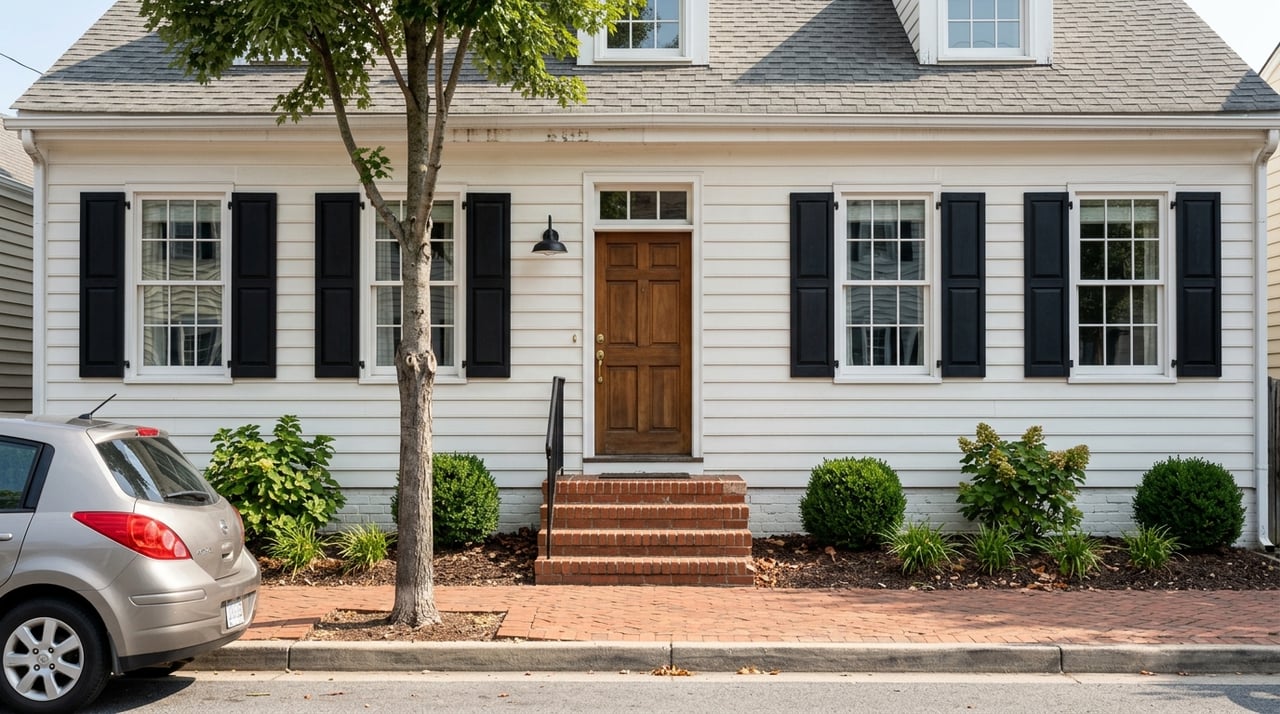
If you are drawn to older homes, downtown Leesburg has a strong sense of place. The historic downtown includes architecture from the mid-18th century through the mid-20th century, which means buyers may see a wide range of exterior styles and building details.
That character is one of downtown’s biggest draws. Instead of a neighborhood built all at once, you are looking at an area that evolved over time, which can create a more layered and distinctive streetscape.
Preservation rules matter
Buying in the Old & Historic District also means understanding local review rules. Exterior alterations generally require a Certificate of Appropriateness, and many changes are reviewed by the Board of Architectural Review before work begins.
This does not mean the district changes the underlying zoning uses or automatically controls parking or lot coverage. Its main purpose is to protect historic character and guide exterior changes. For you as a buyer, that means more review for visible exterior work than you would usually expect in a newer neighborhood.
Walkability is a major benefit
Downtown Leesburg is built for people who like having daily destinations close by. The town and downtown business association present the area as a place with shops, restaurants, museums, breweries, wineries, events, and self-guided walking tours.
The original street grid still functions as the core network today, which supports a more walkable daily routine. If you enjoy being able to step outside and head to dinner, browse local businesses, or explore historic sites on foot, downtown offers that convenience in a way newer communities often do not fully match.
Parking takes more planning
Walkability does not mean you can ignore parking. In downtown Leesburg, parking is a central part of daily life. The Town Hall Garage has more than 300 spaces, with the first two hours free, plus free parking after 7 p.m. on weekdays, all day on weekends, and on holidays.
There are also about 70 on-street spaces using ParkMobile, along with additional lots and garages nearby. Even with that inventory, downtown living usually means you and your guests need to think about parking more intentionally than in a typical suburban subdivision.
Transit options add flexibility
Downtown also benefits from local transit options. The Town notes services operated by Loudoun County Transit and Commuter Services, including Transit on Demand, commuter buses, local bus service, the free Leesburg Safe-T-Ride, and paratransit.
That can make downtown a practical choice if you want more than one way to get around. Even if you still drive regularly, having walkable streets and public transit options can add flexibility to your routine.
New Communities Around Leesburg
Newer layouts change daily life
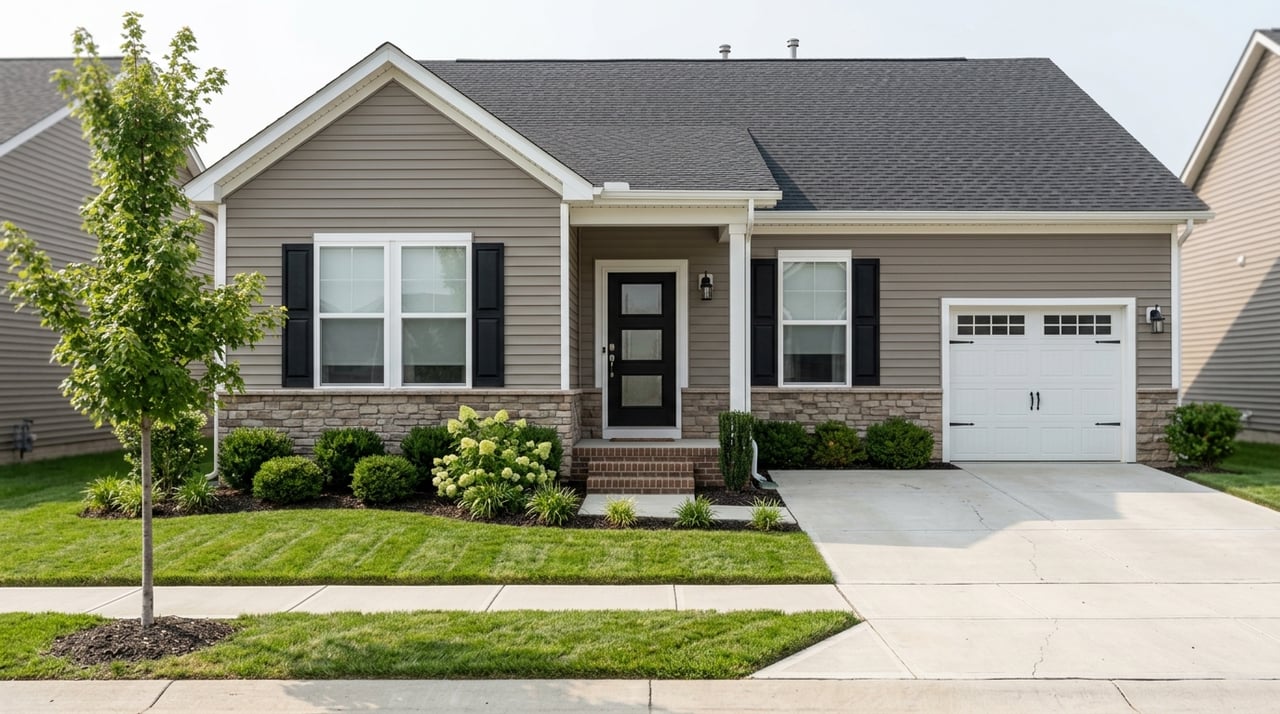
Newer communities and redevelopment areas around Leesburg are not all the same, but they tend to follow a different pattern from the historic core. Town planning documents describe larger blocks, more limited pedestrian connections, and development patterns that can feel more suburban.
For many buyers, that translates into a simpler car-based routine. You may find daily life easier if you prefer newer construction patterns, more vehicle access, and less dependence on a compact downtown street grid.
Some newer districts aim for urban feel
Not every newer area is purely suburban in design. The Crescent Design District, for example, is a form-based zoning district intended to create an urban style reminiscent of Historic Downtown Leesburg. It calls for grid streets, buildings closer to the road, and parking screened or placed behind buildings.
That is an important middle ground. If you like some of downtown’s urban feel but want a setting shaped by newer planning, mixed-use redevelopment areas may offer a blend of both.
Flexibility differs from preservation
The Gateway District offers another useful comparison. Established in 2020 along key corridors leading into downtown, it focuses on development or redevelopment that respects historic character while anticipating new growth. For certain property types, it does not regulate allowed uses.
That differs from the Old & Historic District, which is focused on preserving existing historic character. If you want less emphasis on preserving original exterior conditions and more openness to newer development, that distinction matters.
Parking is often easier
One of the clearest advantages of newer communities is everyday convenience for drivers. Based on Leesburg planning documents, newer areas often reflect larger blocks, more parking, and development patterns built around vehicle access.
If your routine depends on commuting by car, managing multiple vehicles, or hosting guests with less parking stress, newer neighborhoods may feel more straightforward. That trade-off often comes with less of the compact, historic atmosphere that defines downtown.
Historic Homes vs New Communities
Choose historic if lifestyle leads
A historic downtown home may be the better fit if your top priorities are character, walkability, and a strong connection to Leesburg’s original town center. You may also appreciate the variety of older architecture and the easy access to dining, shopping, and cultural attractions.
At the same time, you should be comfortable with the realities that can come with that setting. Exterior work may require review, parking may take more planning, and the pace of downtown can feel busier and more shared.
Choose newer if convenience leads
A newer community may be the better fit if you value modern neighborhood planning, easier parking, and a more car-oriented day-to-day experience. This option can also appeal to buyers who want to stay close to Leesburg while avoiding some of the extra oversight tied to historic-district exterior changes.
That does not mean newer automatically means less appealing. In Leesburg, some redevelopment areas are intentionally designed to improve walkability and bring in elements that echo downtown’s urban form.
Questions to Ask Before You Buy
Before you decide, it helps to think about how you want your home to support your routine. The right answer is often less about age of the house and more about how you want to live.
Ask yourself:
- Do you want to walk to restaurants, shops, and events regularly?
- Are you comfortable with preservation review for exterior changes?
- How important is easy parking for your household and guests?
- Do you prefer a traditional street grid or a newer suburban layout?
- Would you rather own a home with historic character or one shaped by newer design patterns?
The Bottom Line on Leesburg Living
Downtown Leesburg offers the clearest historic charm, the strongest sense of place, and the most walkable day-to-day experience. Newer communities around Leesburg often trade some of that intimacy for easier parking, newer development patterns, and a simpler car-based routine.
Neither option is better for everyone. The best choice depends on whether you see home as a gateway to downtown living or as a base for comfort, convenience, and newer design. If you want help comparing homes, neighborhoods, and lifestyle trade-offs in Leesburg, connect with The Legacy Team for expert local guidance.
FAQs
What is the Old & Historic District in Leesburg?
- The Old & Historic District is a locally designated overlay focused on protecting heritage resources and preserving historic character in downtown Leesburg.
What should buyers know about exterior changes in historic downtown Leesburg?
- In the Old & Historic District, exterior alterations generally require a Certificate of Appropriateness, and many projects are reviewed before work begins.
What makes downtown Leesburg more walkable than newer areas?
- Downtown Leesburg has a compact historic street grid and easy access to shops, restaurants, museums, events, and other destinations that support trips on foot.
What are the parking options in downtown Leesburg?
- Downtown parking includes the Town Hall Garage with more than 300 spaces, about 70 on-street spaces using ParkMobile, and several nearby lots and garages.
How do newer Leesburg communities differ from historic downtown?
- Newer communities often have larger blocks, more auto-oriented layouts, easier parking, and less exterior-preservation oversight than homes in the historic core.
Are all newer areas around Leesburg purely suburban in design?
- No. Some newer and redevelopment areas, such as the Crescent Design District, are intended to create a more urban form with grid streets and pedestrian-oriented connections.