Wondering if living near the Dulles Tech Corridor could make your workweek easier without giving up suburban space? If you are looking at Chantilly, you are probably weighing job access, home value, commute trade-offs, and everyday convenience all at once. The good news is that Chantilly offers a lot to like for buyers who want to stay connected to major employment hubs in Northern Virginia. This guide will walk you through what to know before you buy. Let’s dive in.
Why Chantilly Stands Out
Chantilly sits inside the Dulles Corridor, which Fairfax County Economic Development Authority defines as the stretch from the Capital Beltway to Washington Dulles International Airport, including Tysons, Reston, Herndon, and Chantilly. That matters because the broader corridor is positioned as a major center for aerospace, defense, information technology, cybersecurity, and corporate headquarters.
For many buyers, that means Chantilly is not just a place to sleep between workdays. It is a practical home base with access to a large employment engine, especially if you work in tech, defense, or related office and industrial sectors.
Chantilly also shows strong work-from-home and digital-readiness signals. According to the Census Bureau, 99.3% of households have a computer and 97.4% have broadband service, while 57.9% of adults have a bachelor’s degree or higher. If your lifestyle includes hybrid work, home office needs, or frequent online meetings, those numbers help explain why Chantilly continues to attract buyers tied to the corridor.
What Home Types You Can Expect
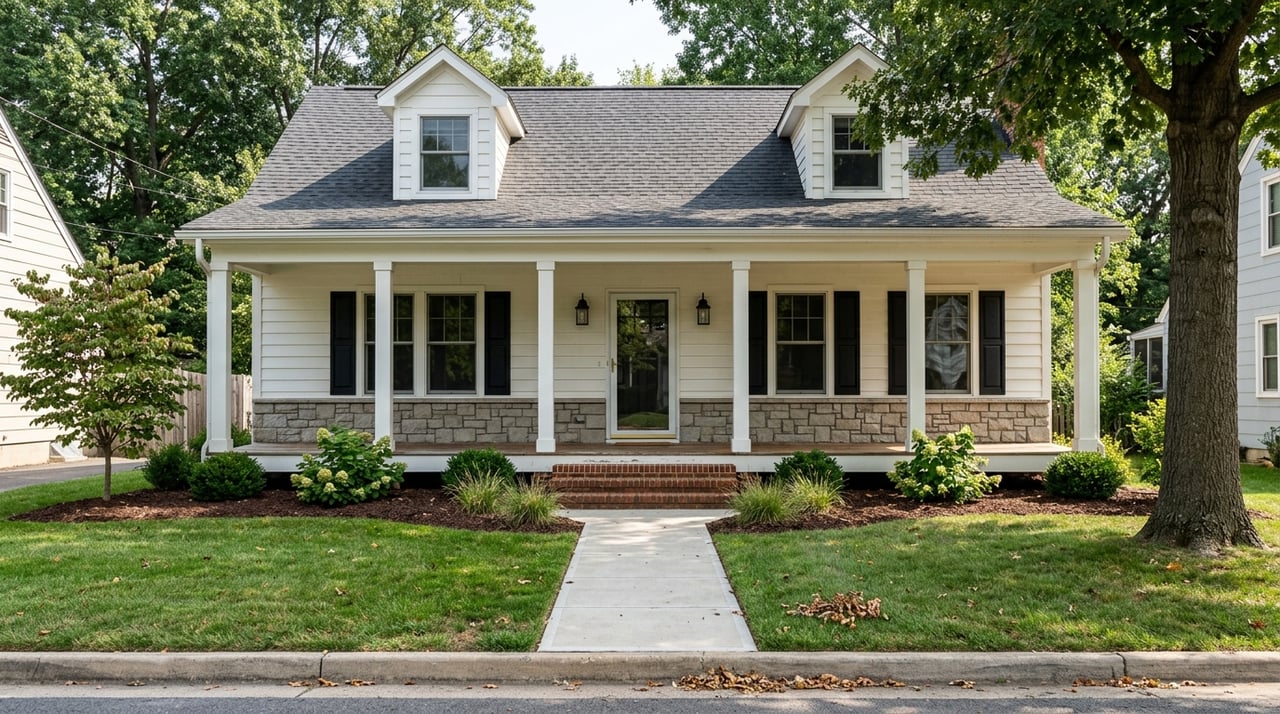
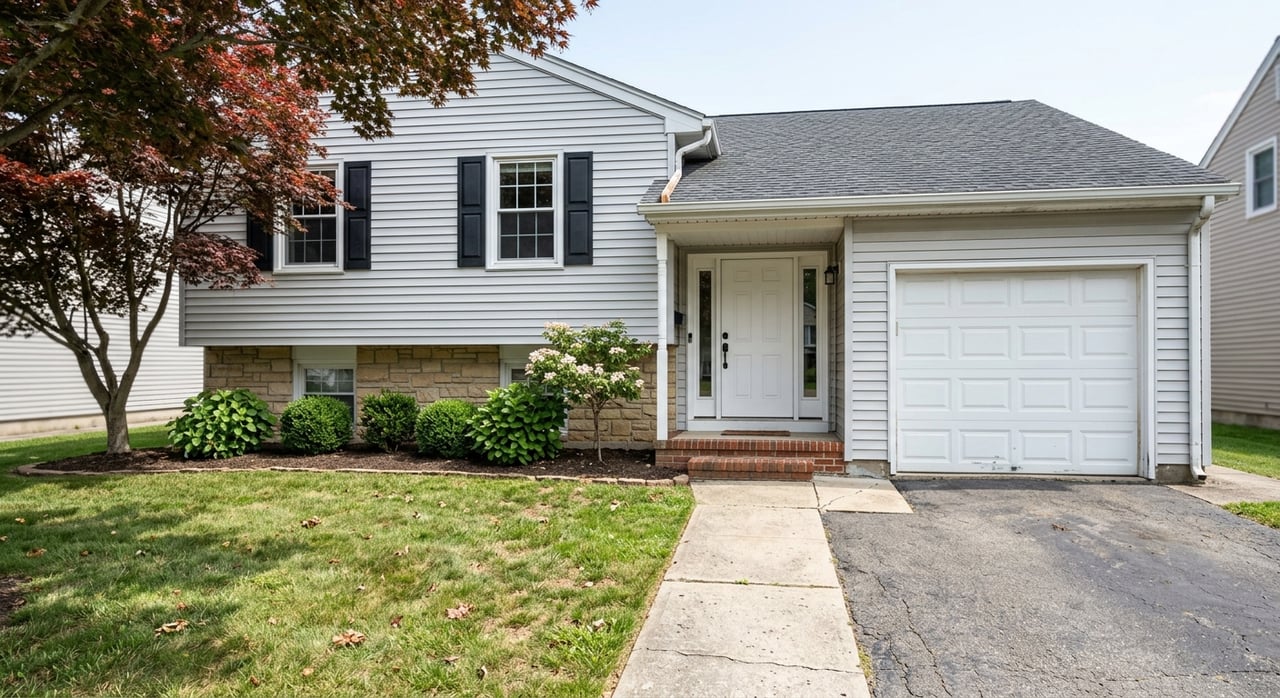
One of Chantilly’s biggest strengths is variety. Fairfax County planning for the Dulles Suburban Center calls for a mix of residential and nonresidential uses, with housing types that include traditional and stacked townhouses, multifamily homes, and single-family communities.
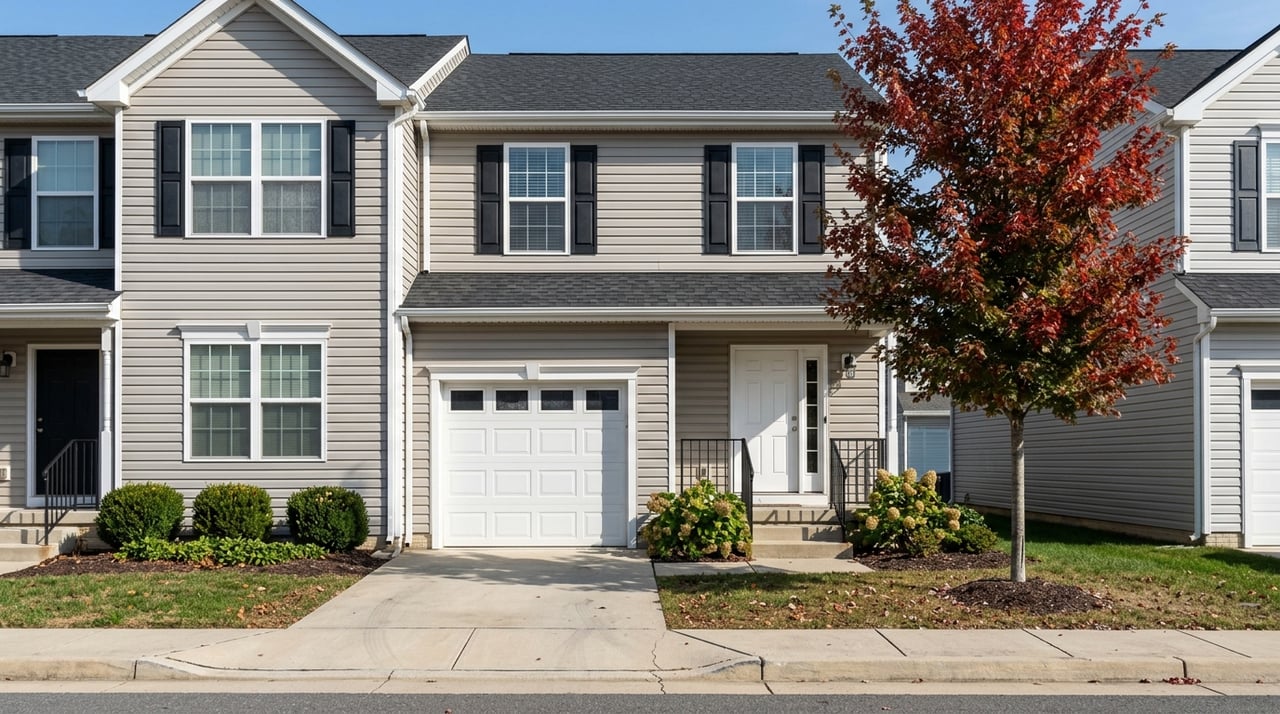
That means your search does not have to follow one path. Depending on your budget and priorities, you may find condo-style living, townhome options, or detached homes, each with a different balance of space, maintenance, and access.
If you are comparing options, look beyond the list price. A townhouse-style condo may offer a lower entry point, but monthly HOA or condo dues, parking rules, and maintenance responsibilities can affect the true monthly cost and day-to-day experience.
What the Numbers Suggest About the Market
Chantilly appears to be more ownership-focused than Fairfax County overall. The Census Bureau reports an 80.1% owner-occupied housing rate in Chantilly, compared with 68.3% across Fairfax County.
That can matter if you want a community where ownership is common and buyers tend to stay put. It also suggests Chantilly is not purely a renter-driven submarket, even though rental options are available.
From a pricing standpoint, the Census Bureau reports a median owner-occupied home value of $633,900 in Chantilly. Fairfax County overall is higher at $699,700, which may make Chantilly worth a closer look if you want to stay in Fairfax County while targeting a somewhat lower price point than the countywide median.
The local housing profile also reflects everyday practicality. Median gross rent is $2,260, and the average household size is 3.24 persons, which points to a market where many buyers are thinking about long-term livability, not just short-term convenience.
Commuting From Chantilly
Commute planning is one of the biggest parts of buying near the Dulles Tech Corridor. The Census Bureau reports a mean travel time to work of 29.4 minutes in Chantilly, so route choice still matters even if you only commute a few days a week.
The Silver Line Extension added stations between Reston and Ashburn, including Herndon, Innovation Center, and Washington Dulles International Airport. WMATA describes the line as a high-capacity alternative to driving into the corridor and Downtown D.C.
Chantilly itself is not directly on the rail line, so many buyers end up choosing between a drive-to-rail routine and living closer to a station in another community. If transit access is high on your list, that trade-off is worth thinking through before you narrow your search.
Bus and Park-and-Ride Options
Rail is only part of the picture. Fairfax Connector serves Chantilly with routes including 605, 630, 642, 651, and 671, giving buyers more transit flexibility than many suburban areas.
Chantilly also has park-and-ride options that can shape your daily routine in a big way. Fairfax County lists Poplar Tree Park and Sully Station as Chantilly park-and-ride locations with free parking and bus service.
If you plan to combine driving and transit, your home search should include those access points. A house that looks farther out on the map may still work well if your route to a park-and-ride is simple and reliable.
Why Route 28 Deserves a Test Drive
If there is one road to study carefully, it is Route 28. Fairfax County reports that the section between the Bull Run bridge and Route 29 carries about 60,000 vehicles per day, and the county’s project information documents recurring congestion, lane shifts, sound-wall work, and overnight closures.
That does not mean you should avoid Chantilly. It means you should test your real commute instead of guessing from a map.
When you tour homes, drive the exact roads you would use during both morning and evening rush hour. A property can feel ideal at noon and very different during weekday traffic.
Airport, Toll Road, and Industrial Noise
Noise is another major factor when you buy near the Dulles Corridor. MWAA notes that the Dulles Access Highway is reserved for airport traffic, while the Dulles Toll Road carries local and commuter traffic, and it has addressed community concerns tied to highway noise along the corridor.
MWAA also states that residential development near airports is considered incompatible in areas affected by aircraft noise, including the FAA 65 DNL contour. For buyers, the practical takeaway is simple: do not assume a quiet showing means a quiet home.
Stand outside the home, especially in the backyard or outdoor living area, and listen. Pay attention to aircraft noise, toll-road traffic, and any nearby industrial sound that could affect your comfort.
Data Center Adjacency Matters Too
In parts of Fairfax County, data center proximity has become an important touring topic. Fairfax County’s 2024 zoning amendment requires data-center equipment to be enclosed or screened, sets at least 200 feet of separation from residential property or districts, and places backup generators 300 feet away or behind the building. The rules also require pre- and post-construction noise studies.
For you as a buyer, this is less about memorizing zoning language and more about asking smart questions. If a home backs to industrial land or commercial parcels, you should investigate what is nearby and how those sites are regulated.
This is especially important in a corridor where employment uses, flex space, and residential communities often sit closer together than buyers expect. A careful review of nearby land use can help you avoid surprises after closing.
Daily Life in Chantilly
Buying near the Dulles Tech Corridor is not only about work. You also want a place that supports your routine when you are off the clock.
Chantilly Regional Library offers seven-day service, internet stations, wireless access, and meeting rooms. If you need a quiet place to work, study, or attend community programs, that kind of resource can be a real plus.
Outdoor access is another strength. Ellanor C. Lawrence Park spans 650 acres in Chantilly and includes trails, picnic areas, and visitor programming, while the Fairfax County Park Authority says the countywide trail network exceeds 334 miles.
County planning for the Dulles Suburban Center also emphasizes nearby services and amenities, including shopping and mixed-use development intended to support both residents and workers. In plain terms, Chantilly often offers a blend of convenience and breathing room that appeals to buyers who want suburban living without feeling disconnected.
A Smart Chantilly Home Tour Checklist
When you are serious about buying in Chantilly, a little extra homework can go a long way. Use this checklist to evaluate homes with the Dulles Corridor lifestyle in mind.
- Drive your likely route during morning and evening rush hour.
- Pay close attention to Route 28 and the roads feeding into it.
- Step outside and listen for airport, toll-road, or industrial noise.
- Compare condos, townhomes, and detached homes by dues, parking, and maintenance responsibility.
- Check access to park-and-ride lots, bus routes, shopping, trails, and library services.
- Review nearby industrial or commercial parcels if adjacency could affect noise or future use.
A good home search in Chantilly is not just about finding the nicest kitchen or the biggest yard. It is about finding the right balance between commute efficiency, housing cost, and everyday convenience.
Is Chantilly Right for You?
Chantilly can make a lot of sense if you want access to the Dulles Tech Corridor while keeping a wider range of housing choices on the table. It stands out for its ownership profile, digital connectivity, access to major roads, and practical blend of residential and employment-oriented development.
At the same time, this is a market where details matter. Commute routes, drive-to-rail patterns, HOA structure, and noise exposure can all shape whether one block feels like a fit and another does not.
If you approach your search with a clear checklist and local guidance, you can make a much more confident decision. That is especially true in a place like Chantilly, where the right home is often about how you live every day, not just how the listing looks online.
If you are thinking about buying near the Dulles Tech Corridor, The Legacy Team can help you compare Chantilly with nearby options, evaluate commute trade-offs, and move forward with clear, data-driven guidance.
FAQs
What makes Chantilly appealing for Dulles Tech Corridor homebuyers?
- Chantilly sits inside the Dulles Corridor and offers access to major Northern Virginia employment centers, a mixed housing stock, strong digital connectivity, and suburban amenities.
What types of homes can buyers expect in Chantilly, VA?
- Buyers can expect a mix of multifamily homes, townhouse options, townhouse-style condos, and single-family homes rather than one dominant housing type.
What should homebuyers know about commuting from Chantilly?
- Chantilly buyers should evaluate Route 28 traffic, drive-to-rail options for the Silver Line, Fairfax Connector bus service, and park-and-ride access as part of their decision.
What noise issues should buyers check in Chantilly near Dulles?
- Buyers should listen for aircraft, toll-road, and industrial noise during tours and should ask questions about nearby land uses, especially near airport corridors or industrial parcels.
How does Chantilly compare with Fairfax County home values?
- Census data in the research report shows Chantilly’s median owner-occupied home value at $633,900, compared with $699,700 for Fairfax County overall.
What amenities should buyers look at in Chantilly, VA?
- Buyers should consider practical daily-use amenities such as Chantilly Regional Library, Ellanor C. Lawrence Park, trail access, shopping areas, and park-and-ride locations.