Thinking about selling your Winchester home and aiming for top dollar? You are not alone. Local demand is steady, and well-prepared homes still stand out. In this guide, you will get a clear 3-week plan, smart update ideas, and marketing moves that help your home shine to both local buyers and DC-area relocators. Let’s dive in.
Winchester market at a glance
As of February 2026, public market snapshots show Winchester’s median sale price around $380,000 with roughly 78 days on market. Alternate snapshots report similar prices near $373,000 to $380,000, while some show faster “days to pending” in certain weeks. Differences come from how each platform measures list price vs. sold price, date ranges, and whether they cover the city, a ZIP code, or a broader area. A prior Bright MLS city report for April 2025 showed a median sold price near $390,648 for that period, which highlights how numbers shift month to month. You can review a sample city-level report in this Bright MLS Winchester City snapshot.
Expect buyer traffic from in-market Winchester shoppers and from Northern Virginia and DC-area relocators. Recent regional coverage notes ongoing migration into markets like Winchester and Richmond, which supports a broader buyer pool. See this update on Northern Virginia to Winchester/Richmond moves for context.
Bottom line for you: pricing and prep should be set with fresh, zip-level comps in mind. Neighborhoods like Old Town, areas near Shenandoah University, and 22603 can show different medians and pace. Before you list, get an updated valuation and a room-by-room plan.
Week 0–2: Get photo-ready fast
Declutter and deep clean
First impressions start online. Pack away 30 to 50 percent of small items and personal photos. Clear countertops and tidy closets so buyers focus on space and storage. Hire a deep clean for carpets, windows, grout, and baseboards. A spotless home photographs brighter and feels move-in ready.
Safety and systems check
Fix leaky faucets, replace burned-out bulbs, tighten loose handrails, and change HVAC filters. Test smoke and CO alarms. If your home is older, consider a WDI/termite check. These basics reduce red flags and help your home pass the “well cared for” test.
Gather documents buyers request
Collect your title and deed, recent tax bill, utility history, warranties, permits, and HOA documents. Organized records support buyer confidence and can make negotiations smoother.
High-impact updates in 1–3 weeks
Neutral paint
Fresh, neutral paint is one of the most cost-effective changes you can make. If you cannot repaint the whole home, focus on the main living areas, kitchen, and primary bedroom. Light, balanced colors photograph well and appeal to a broad range of buyers.
Curb appeal
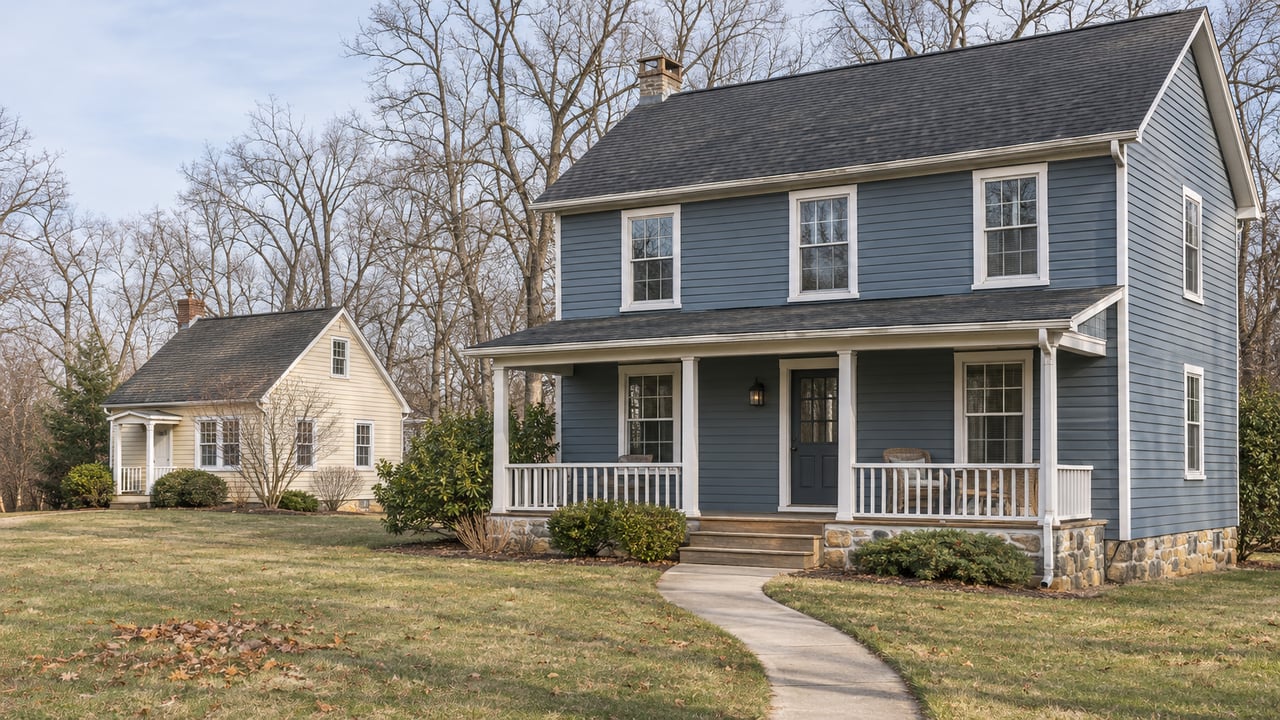
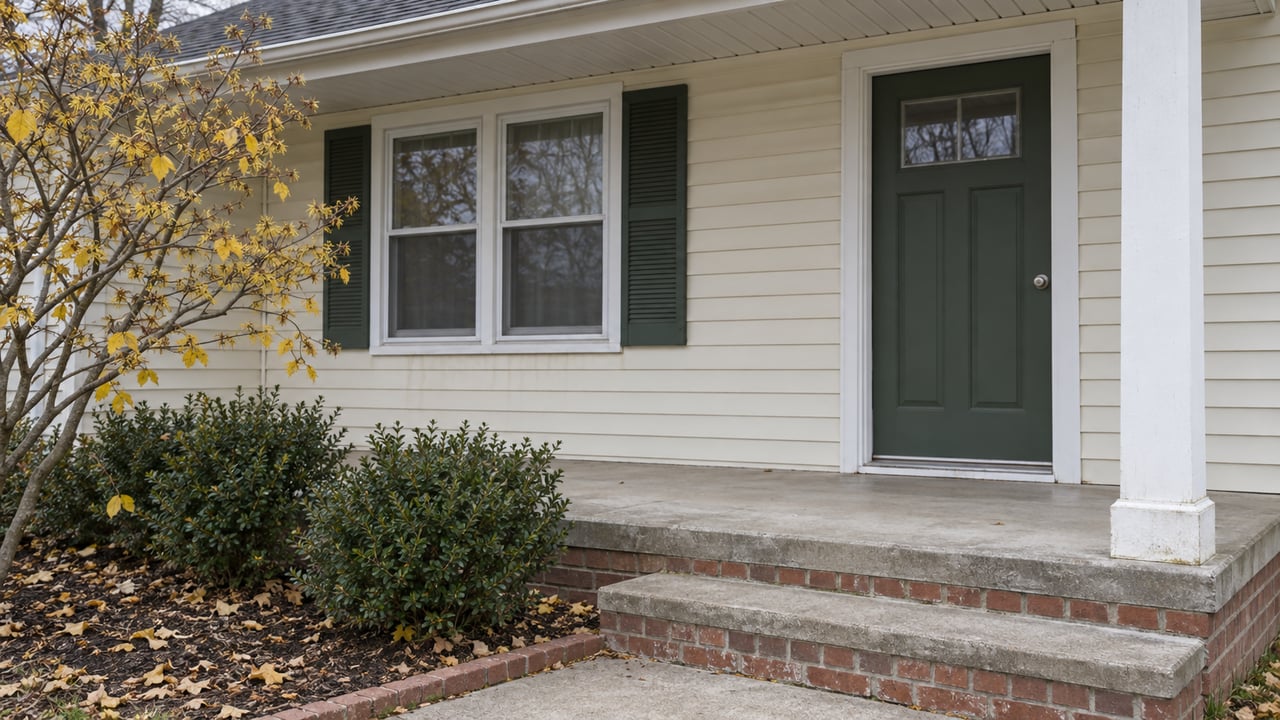
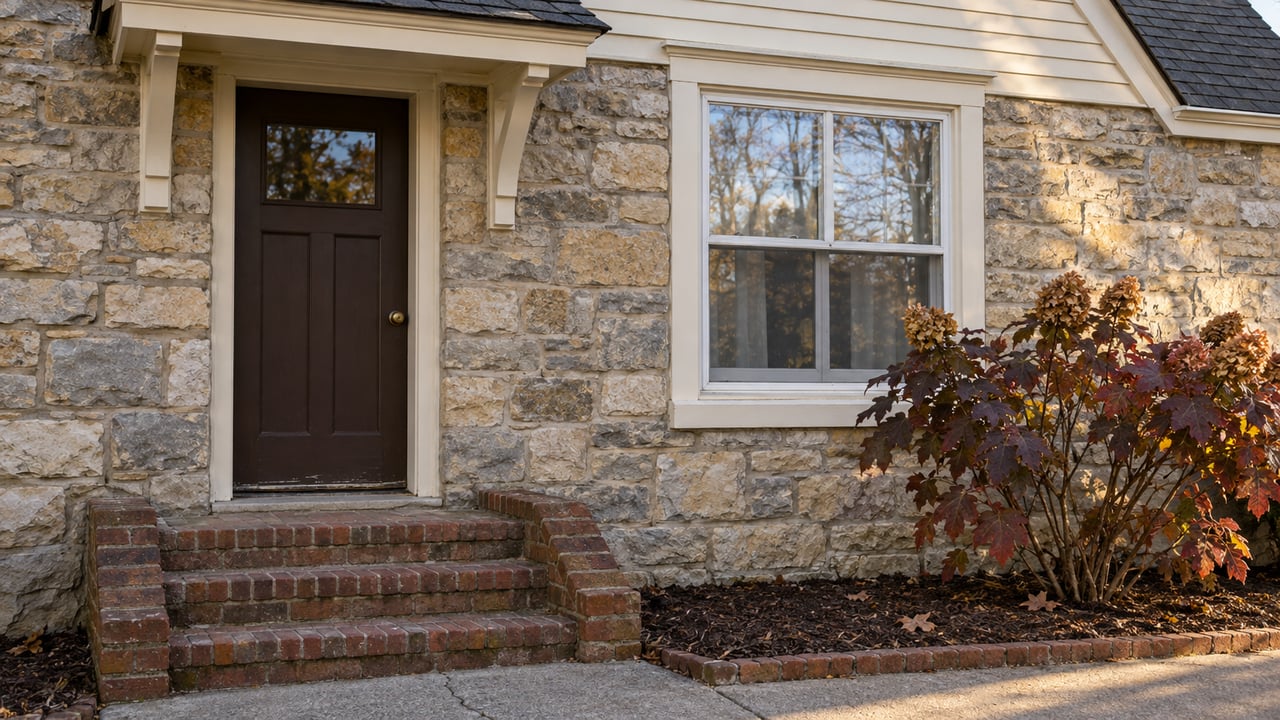
Tidy the lawn, edge beds, prune shrubs, and power-wash the porch and walkways. Clean gutters. Consider small, tasteful upgrades like new house numbers or a refreshed mailbox. These quick fixes create a strong first impression from the curb and in your listing photos.
Lights, fixtures, and hardware
Swap dated light fixtures and add brighter bulbs to maximize natural and artificial light. Update cabinet hardware and consider a simple faucet refresh. These small, affordable changes deliver an outsized visual lift in photos and showings. For a general sense of typical selling costs, this overview of selling cost considerations is helpful.
Targeted upgrades that pay off
Kitchen refresh
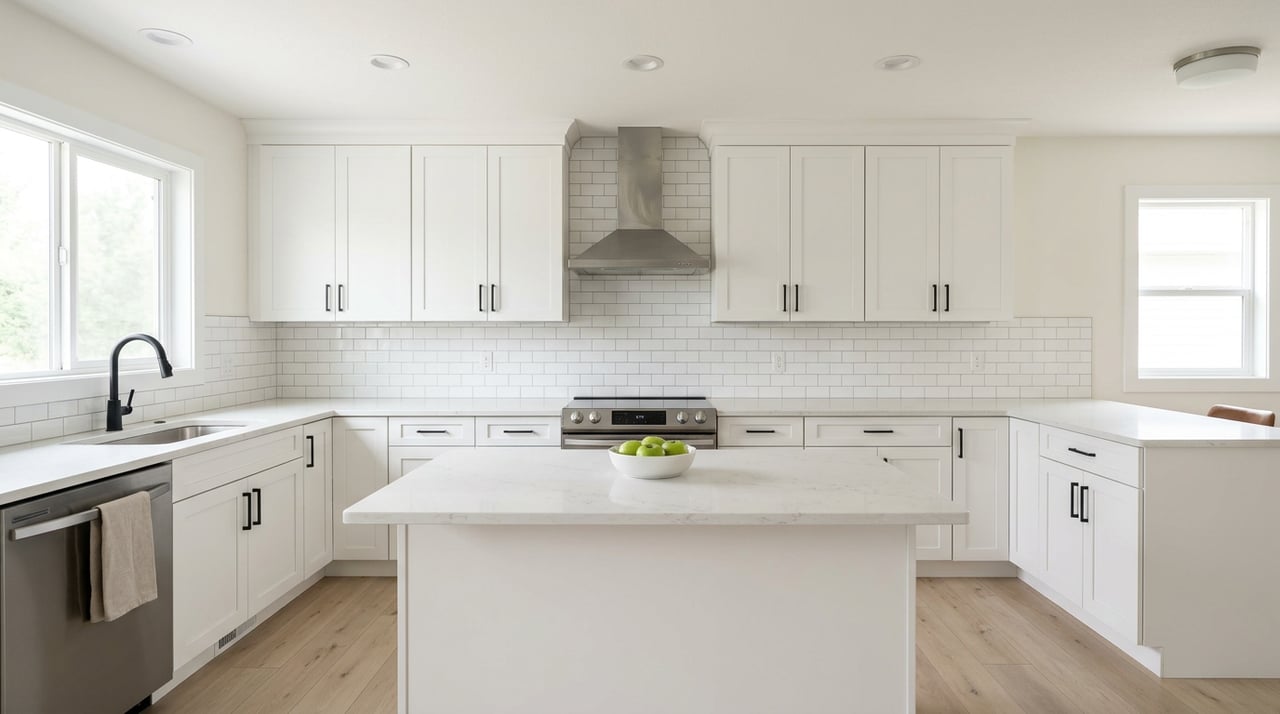
Minor or midrange improvements tend to outperform large, high-end remodels at resale. Painting or refacing cabinets, adding a new backsplash, or upgrading worn countertops can reset the look without over-improving for the neighborhood. Right-size the scope for your price tier and immediate competition.
Bathrooms
Focus on repairs and light updates. Re-caulk tubs, repair grout, swap dated lights or mirror frames, and consider a fresh vanity top if the budget allows. Aim for clean and bright rather than a full tear-out.
Mechanical items
If your HVAC, water heater, or roof is near end of life, repair or disclose. A short pre-listing inspection can reduce renegotiation later. Clear documentation of maintenance often helps buyers feel confident with stronger offers.
What not to tackle before listing
Large, time-consuming projects like additions or luxury upgrades often deliver low returns in non-luxury neighborhoods. Focus on what boosts perceived condition, improves listing photos, and helps the widest pool of buyers visualize living there.
Staging, photos, and 3D that sell the story
Why staging works
Staging helps buyers picture themselves in the home. The National Association of Realtors’ 2023 findings report that staging makes it easier for buyers to visualize a property and can shorten time on market while modestly improving offers. Review the NAR 2023 Profile of Home Staging for more detail.
If you are prioritizing rooms, stage the living room, kitchen, and primary bedroom first. These spaces anchor online interest and in-person flow.
Professional photography and floor plans
High-quality, well-composed photography leads to more views and more showings versus smartphone photos. Industry analyses track faster sales and better results when listings feature professional images. For benchmarks and data discussion, see this overview of professional real estate photography ROI.
Add a measured floor plan so buyers understand layout and function. Floor plans work hand in hand with photos to set accurate expectations and reduce friction during showings.
3D tours for out-of-area buyers
Immersive 3D tours can speed up sales and raise buyer confidence, especially for DC-area relocators who shop remotely. Several industry summaries show buyers and sellers prefer listings with 3D tours and that these assets correlate with faster transactions. This roundup on buyer preferences for 3D tours offers a helpful overview.
Winchester pricing and launch strategy
- Use Bright MLS comps to set price and confirm city vs. ZIP differences; include room dimensions, your full photo set, floor plan, and 3D tour link in the MLS record so every portal displays your best assets. You can reference a prior Bright MLS city report example to see format and metrics.
- The first 7 to 14 days usually deliver the most views. Aim to launch with full readiness: pro photos, staging where needed, a dialed-in price, and weekend showing access. Consider a weekday broker open paired with early weekend showings to capture momentum.
- To reach DC-area relocators, make your 3D tour and floor plan easy to find in the listing. Clear, honest visuals help remote buyers move faster with confidence.
Legal and local rules you must follow
- Virginia seller disclosures. Virginia’s Residential Property Disclosure Act requires specific disclosures in residential transfers. Review the official guidance and forms here: DPOR Residential Property Disclosures. If you have questions, consult your agent and an attorney.
- Historic-district considerations. Many Old Town and downtown properties fall within local or national historic districts. Exterior changes and some materials may need approval. Check whether your home is in a protected area and review state listings via the National Park Service Virginia index before changing exterior paint, trim, or windows.
- HOAs, utilities, and neighborhood info. Order HOA documents early, and have utility history available. Provide school-district information in neutral, factual terms when requested.
Your 3-week prep checklist
Immediate: week 0–2
- Declutter and depersonalize. Pack 30–50% of personal items.
- Deep clean: carpets, windows, grout, baseboards.
- Fix maintenance items: bulbs, faucets, HVAC filter, loose handrails.
- Safety checks: smoke/CO alarms; consider a WDI/termite check for older homes.
- Gather documents: title, deed, tax bill, utility history, warranties, permits, HOA docs.
High-impact: weeks 2–4
- Repaint main rooms in a neutral palette.
- Boost curb appeal: mow, prune, power wash, tidy entry, update house numbers if needed.
- Update lighting and add brighter bulbs; refresh cabinet hardware.
- Cosmetic kitchen/bath updates: caulk, grout, hardware, simple surface refreshes.
Marketing readiness: one week before listing
- Hire a professional photographer; consider a twilight exterior if it will add appeal. See benchmarks on photo ROI.
- Order a 3D tour and a 2D floor plan if your layout is complex or you are targeting relocators. See typical 3D tour pricing ranges.
- Arrange staging for key rooms or use virtual staging for vacant spaces.
- Complete Virginia’s seller disclosure packet. Start with DPOR’s official guidance.
- Confirm showing logistics, lockbox, and a cleaning cadence for the first two weeks on market.
Sample marketing budget ranges
- Professional photos: $150 to $500 depending on package size and options. See typical photography data.
- Matterport/3D tour: about $130 to $430, scaled by square footage and add-ons like floor plans and hosting. Reference 3D tour pricing.
- Staging: occupied consults often cost a few hundred dollars, while whole-home or vacant staging with furniture rental can run $1,500 to $4,000+ depending on scope. A general overview of staging and selling costs can help you plan.
Ready to sell for top dollar?
A focused 3-week plan, targeted updates, and polished visuals can lift your final sale price and reduce days on market in Winchester. If you want a room-by-room strategy, fresh comps by ZIP, and a premium presentation plan, connect with The Legacy Team for a free valuation and tailored prep roadmap.
FAQs
What is the current Winchester price and pace?
- As of February 2026, snapshots show a median sale price around $380,000 and roughly 78 days on market, with some sources showing faster “days to pending.” ZIP-level results vary, so ask for updated comps before you list.
How long does it take to prepare a Winchester home to list?
- Most sellers can complete high-impact prep in 2 to 4 weeks by focusing on decluttering, cleaning, light paint, curb appeal, and small fixture updates.
Is staging worth it in Winchester?
- Yes. NAR reports that staging helps buyers visualize living in the home and can shorten time on market while modestly improving offers; start with the living room, kitchen, and primary bedroom.
Do I need a 3D tour for DC-area buyers?
- It helps. Industry research shows buyers strongly prefer listings with 3D tours, which can support faster decisions for relocators who shop remotely and cannot tour in person.
What disclosures do Virginia home sellers need?
- Virginia’s Residential Property Disclosure Act governs required disclosures. Review the official forms and guidance here: DPOR Residential Property Disclosures.
Do exterior changes in Old Town Winchester need approval?
- Many properties fall within historic areas where certain exterior changes require review. Check whether your property lies in a protected district and confirm rules before making changes.