Two rivers meet below your feet, a national park surrounds your block, and a commuter train can carry you to D.C. If you are thinking about a move or a second home in Harpers Ferry, you probably want to know what everyday life feels like beyond the postcards. In this guide, you will learn how the town’s history and outdoors shape daily rhythms, what homes look like, what it costs to buy, and the practical details that matter for commuting and ownership. Let’s dive in.
Life at the river confluence
Historic core and park presence
Harpers Ferry sits where the Potomac and Shenandoah meet, and the town’s identity is closely tied to Harpers Ferry National Historical Park. Lower Town, the riverside historic core, is a compact, walkable area filled with 19th-century buildings, museums, and ranger programs that operate year-round. You will feel the park’s presence in daily life, from period architecture to guided tours and special events. For an overview of the layout and attractions, explore the official National Park Service brochure for Harpers Ferry.
A small town with big seasons
The municipal population is tiny, roughly in the mid-200s, so the change in pace between weekdays and peak weekends is noticeable. In 2023, the park welcomed about 427,300 visitors, and the NPS reports that visitor spending drives a significant local economic impact, estimated at $37.7 million. That level of tourism brings energy and business to the core, along with seasonal traffic and parking pressure near Lower Town in spring, summer, and fall. Expect quieter weekdays and off-season months, then a lively scene when the weather turns good and the leaves change.
Outdoor lifestyle every weekend
Trails and overlooks
Harpers Ferry is a gateway to short, scenic hikes with panoramic river views. Maryland Heights is a local favorite, with several routes to the overlook that range roughly 4 to 6 miles round trip depending on the path. The trail passes Civil War-era earthworks and rewards you with postcard views of town and both rivers. Check current conditions and any seasonal closures before you go using the NPS Maryland Heights trail page.
Appalachian Trail culture
The Appalachian Trail runs right through town, and the Appalachian Trail Conservancy’s headquarters and visitor center are here. You will often see thru-hikers and day hikers stopping by cafés, resupplying, or asking for shuttle tips. That trail culture adds a low-key, outdoorsy rhythm to daily life. Learn more about the HQ and visitor information from the Appalachian Trail Conservancy.
On the water and the towpath
The Potomac and Shenandoah offer kayaking, rafting, tubing, and fishing in season. The C&O Canal towpath is a flat, family-friendly route for biking or long walks, and it connects seamlessly with the historic core via bridge access. Summer and fall weekends can feel busy on the trails and river put-ins, so plan early arrival for parking on peak days. In winter and early spring, you will often get quieter paths and easy access.
Everyday essentials
Shops, dining, and services
Lower Town is geared to visitors, with cafés, small restaurants, boutiques, and B&Bs. For weekly groceries, big-box shopping, and broader services, most residents head to nearby hubs like Charles Town or Shepherdstown. That split is part of the appeal for many buyers: you get a preserved, historic core close by and practical shopping a short drive away.
Schools and local services
Harpers Ferry is within Jefferson County Schools. Addresses in the area commonly map to Blue Ridge Elementary and Harpers Ferry Middle, with county-wide high school attendance at Jefferson High. Because zones and bus routes can change, it is best to verify school assignments for a specific property directly with the district before you make decisions.
Housing and neighborhoods
What homes look like
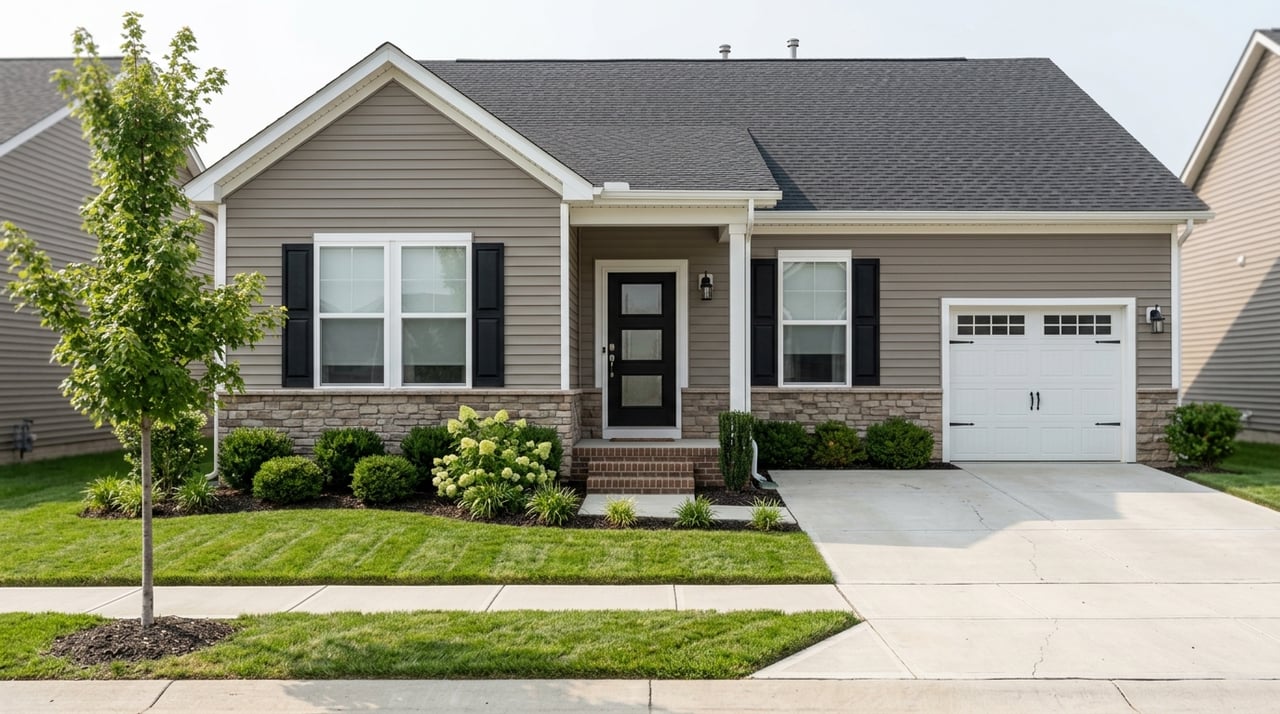
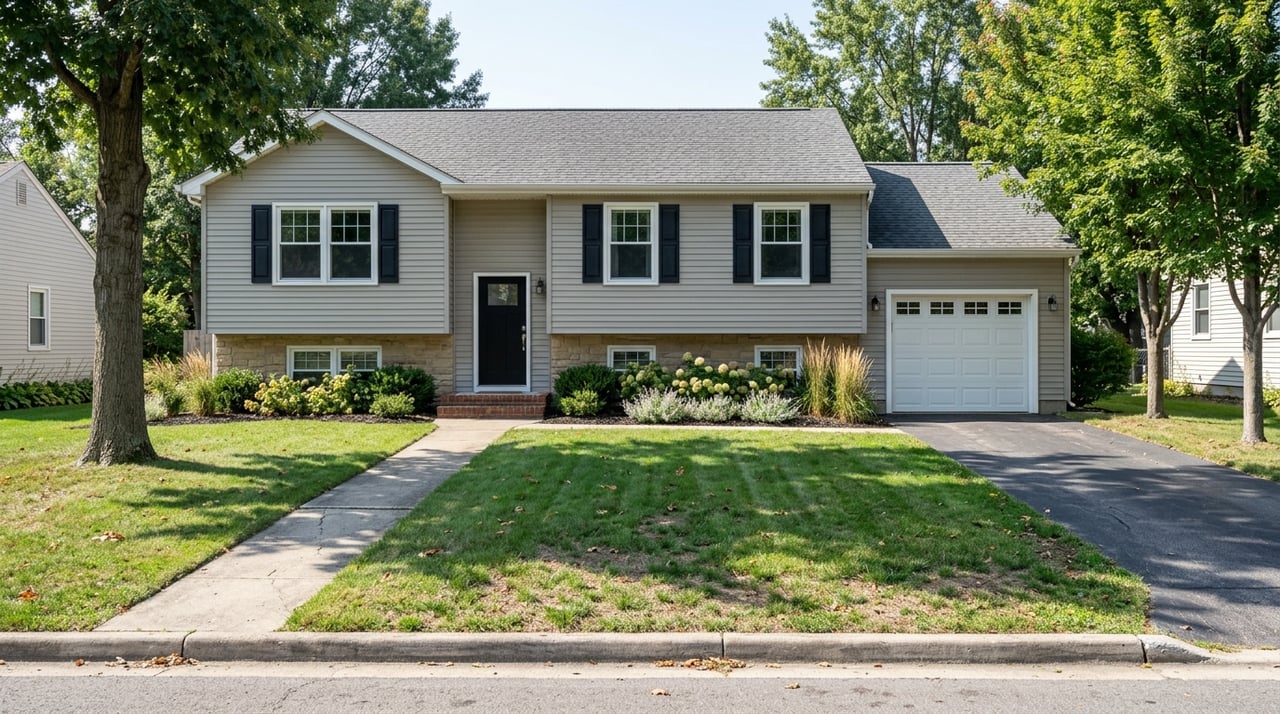
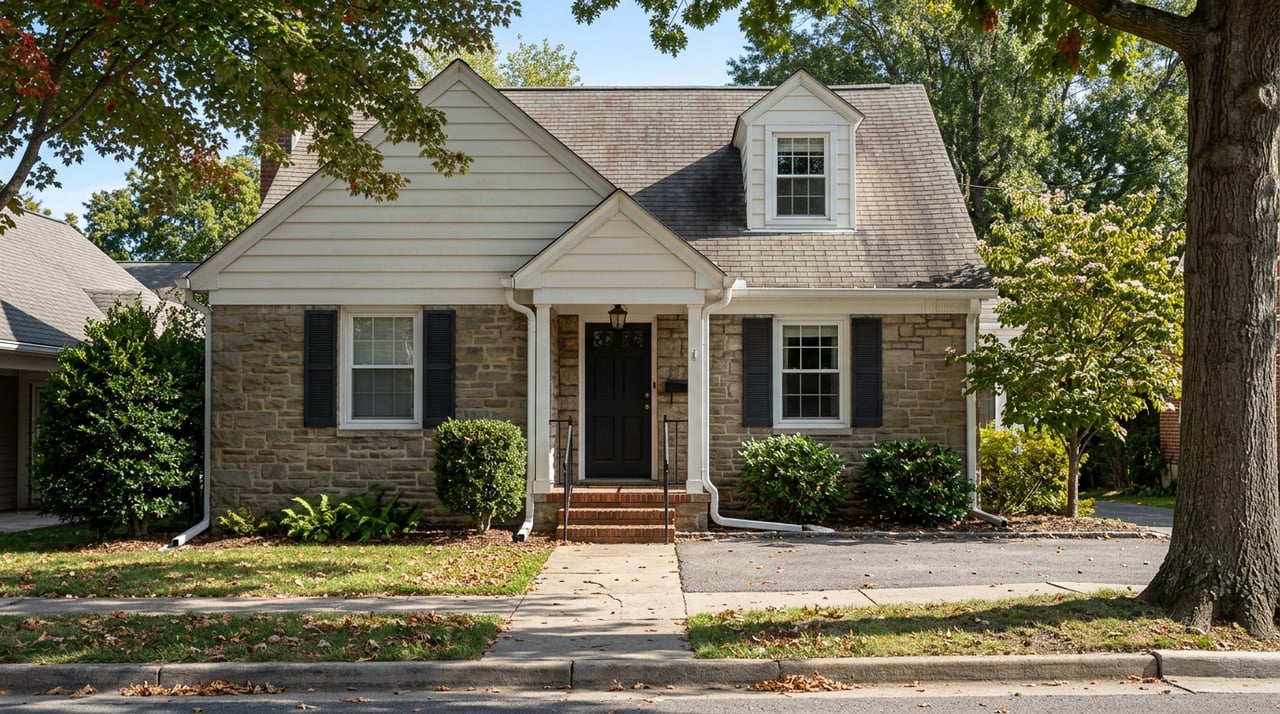
Harpers Ferry has an unusually intact historic district, with stone and brick buildings in Lower Town, 19th-century rowlike houses, vernacular I-houses, and homes showing Queen Anne or Italianate details. Many properties have been thoughtfully updated while keeping period character. The contrast is clear between compact, walkable Lower Town and the more spread-out residential areas uphill and into neighboring Bolivar. For an orientation to the district’s history and architecture, review this summary of the Harpers Ferry historic district.
Prices and pace
Because the town is small, the number of homes that list and sell in any given month is limited. Portal snapshots in late 2024 through 2026 put typical home values near the high-300s to low-400s, though a single sale can swing local medians. Use county-level context for broader trends and local MLS data for current comps. For a quick estimate of town-level values, see the Zillow home values snapshot for Harpers Ferry, then confirm with on-the-ground data.
Ownership considerations that matter
Flood history is part of Harpers Ferry’s story, especially in Lower Town, which sits on a river floodplain. Major past floods shaped preservation and planning, and many buildings in lower areas fall within mapped hazard zones. Before you write an offer, confirm FEMA flood maps, request any elevation certificates, and price out insurance for that specific parcel. For background on flood history, read the West Virginia Encyclopedia entry, and use the FEMA Map Service Center to view current FIRMs for a property’s location in detail at the FEMA MSC portal.
Historic-district context is also important. Homes within the district or near National Historical Park boundaries may have review requirements for exterior work that affects historic fabric or park views. Early conversations with local preservation authorities can help you plan improvements and understand potential incentives.
Short-term rentals and rules
With strong seasonal visitation, short-term rentals are a common idea for second-home buyers. West Virginia requires business registration and the collection and remittance of applicable sales and occupancy taxes for STRs, and local rules may add zoning or permit steps. Before you market a property as a vacation rental, confirm the exact requirements for your address using this overview of West Virginia short-term rental rules and by checking local ordinances.
Commuting and connectivity
By rail
Harpers Ferry has a historic train station with weekday MARC service on the Brunswick Line, plus daily Amtrak stops. MARC offers commuter-oriented schedules to and from the D.C. region, though trains from Harpers Ferry are more limited than inner-suburban stations. Always confirm current times that fit your workday using the MARC station information for Harpers Ferry.
By car
The town is about 60 miles from downtown Washington, D.C. Drive times vary based on traffic and time of day, so plan for roughly 1 to 1.5 hours or more on busy days. Many residents set hybrid routines that mix occasional driving with rail when schedules align.
Buyer checklist for Harpers Ferry
Use this quick reference as you plan next steps.
- Confirm flood exposure: Pull current FEMA FIRMs, request any elevation certificates, and get real quotes for flood insurance if applicable.
- Review comps carefully: Because inventory is thin, look at both town and Jefferson County sales, and use fresh MLS data for pricing.
- Ask about preservation: If a home is in the historic district or near NPS property, clarify what exterior changes need review and what incentives exist.
- Validate STR feasibility: Check state registration and tax collection rules, then confirm local zoning and permit steps before you count on rental income.
- Assess commute fit: Check weekday MARC schedules, Amtrak timing, and your tolerance for a 1 to 1.5-hour drive window.
- Plan for busy seasons: If you live near Lower Town, account for peak-season parking, visitor traffic, and special event days.
Is Harpers Ferry a fit for you?
If you love history, rivers, and trails, Harpers Ferry offers a lifestyle you will feel every day. You can walk to overlooks, chat with hikers from across the country, and enjoy a preserved streetscape that is rare in the region. In return, you will plan around seasonal visitors in the core, pay close attention to flood and preservation details for certain homes, and embrace a longer commute if you work in D.C. or the inner suburbs.
When you have questions about pricing, neighborhoods, or what to watch for in a contract, you deserve clear, data-backed guidance. If Harpers Ferry is on your shortlist, let us help you compare options across the DMV and find the right fit.
Ready to tour homes, get current comps, or map your commute options? Reach out to The Legacy Team for local guidance backed by Redfin technology, professional marketing, and a responsive, team-based experience.
FAQs
Is Harpers Ferry mostly a tourist town or a full-time community?
- It is both, with a very small year-round resident base and a busy seasonal visitor rhythm driven by the National Historical Park and trails.
How much do homes cost in Harpers Ferry right now?
- Recent portal snapshots placed typical values in the high-300s to low-400s, but small-sample swings are common, so confirm with fresh MLS comps.
Can I commute daily from Harpers Ferry to Washington, D.C.?
- Some residents do using weekday MARC trains or by car, but schedules are limited and drives often run 1 to 1.5 hours based on traffic.
What should I know about flood risk before buying?
- Check FEMA maps and any elevation certificates for the exact parcel, and price out flood insurance since risk can vary block by block in lower areas.
Are short-term rentals allowed in Harpers Ferry?
- West Virginia requires business registration and tax collection for STRs, and local zoning or permitting may apply, so confirm the full set of rules first.